About Keel
A decision boundary, not another dashboard.
AI systems are increasingly trusted with actions that affect data, systems, budgets, payments, and customers.
Most infrastructure focuses on what happened after execution: logs, dashboards, alerts, invoices, and audit reviews.
Keel was built around a different idea.
Important decisions should happen before execution.
Every governed action receives a permit before it runs. Policy is evaluated, authority is checked, cost can be constrained, and evidence is created. The result is an operating environment where AI can move quickly without responsibility becoming unclear.
Keel is an AI authorization and accountability platform that helps organizations decide what AI agents are allowed to do before they act and create independently verifiable evidence afterward.
Why this matters
As AI agents gain access to systems, data, budgets, payments, and workflows, the cost of an unauthorized action increases.
Organizations need more than observability. They need authority.
The same principle has governed consequential human work for decades: define who can do what, under which conditions, before action occurs.
Keel applies that discipline to AI systems.
Decide before. Prove after.
What makes Keel different
Many products help build, route, monitor, evaluate, or secure AI systems.
Keel focuses on a different layer.
Before an action executes, Keel determines whether it is authorized, within policy, within budget, and operating under valid authority.
Afterward, Keel records evidence that can be independently verified.
The goal is not simply to observe AI behavior.
The goal is to govern it.
Why it was built
The idea for Keel emerged from years spent working with professionals across engineering, security, product, and business functions.
Again and again, the same pattern appeared.
When a customer asks a difficult question, a regulator requests evidence, or an auditor investigates an event, organizations need records that explain themselves.
Not explanations.
Evidence.
As AI systems become more autonomous, the same requirement applies to machine actions.
Keel was built to make authority explicit before execution and evidence available afterward.
Founder
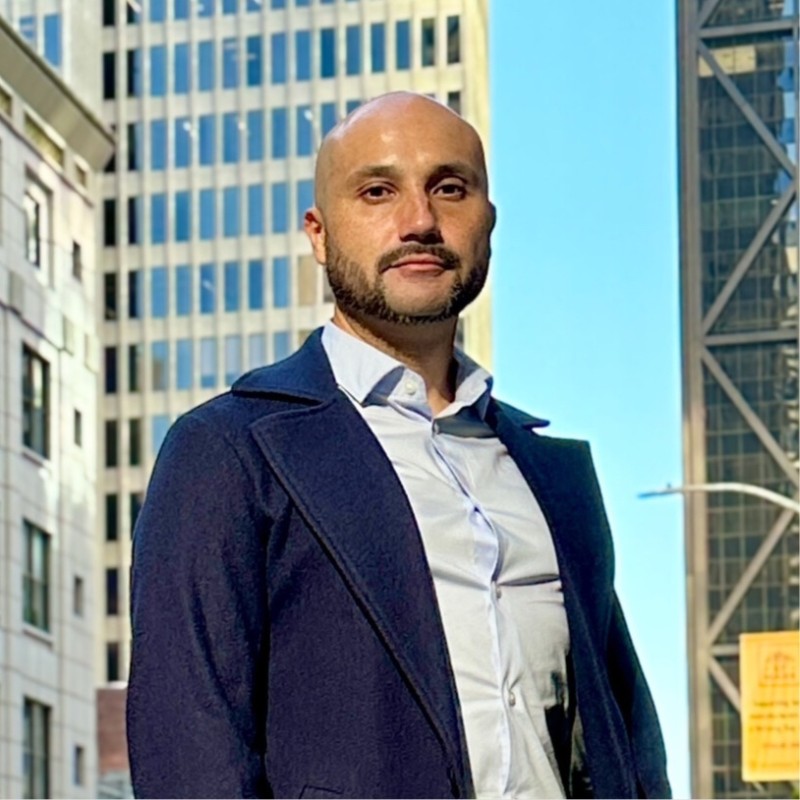
Christian Munoz is the founder of Keel.
Born and raised in San Francisco, he spent more than a decade as an educator and communication coach, working with professionals across the United States and Ukraine.
His experience designing environments where people can learn, improve, and operate within clear boundaries influenced Keel's approach to AI governance: defining authority before action and creating verifiable evidence afterward.
"Technology should amplify human capability, not dissolve human responsibility."
Why the name Keel
In sailing, the keel sits below the waterline.
Most people never see it, yet it helps the vessel remain stable, maintain direction, and recover from changing conditions.
AI can move fast.
It still needs a keel.